Small Perler Bead Patterns
Free, original bead patterns that fit on a single 29×29 pegboard. Open any one in the editor to change colors, switch brands, or resize it.
Browse Small Bead Patterns
17 original designs, sorted from the fewest beads up. Each card lists the grid size, how many beads the design actually uses, how many colors you need to sort, and how many pegboards it covers.

Crescent Moon
15 × 15 · 73 beads · 3 colors · 1 board
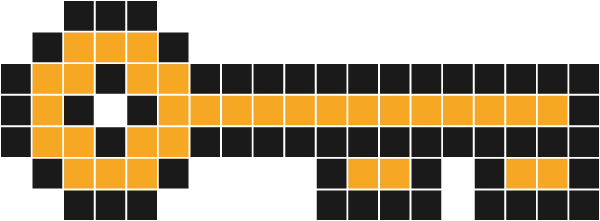
Little Key
19 × 7 · 88 beads · 2 colors · 1 board
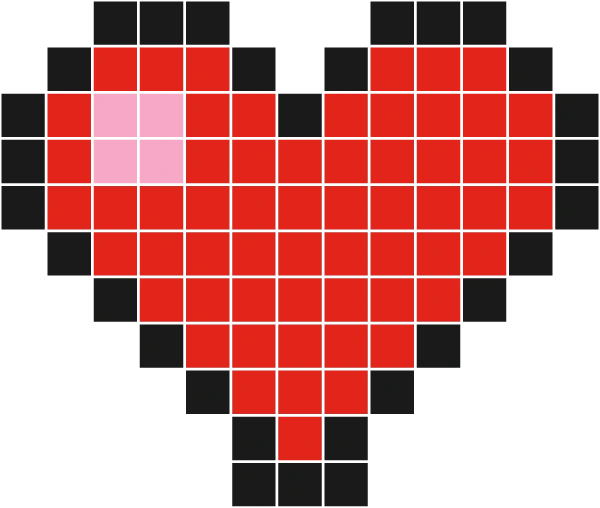
Classic Heart
13 × 11 · 93 beads · 3 colors · 1 board

Summer Sun
15 × 15 · 113 beads · 3 colors · 1 board
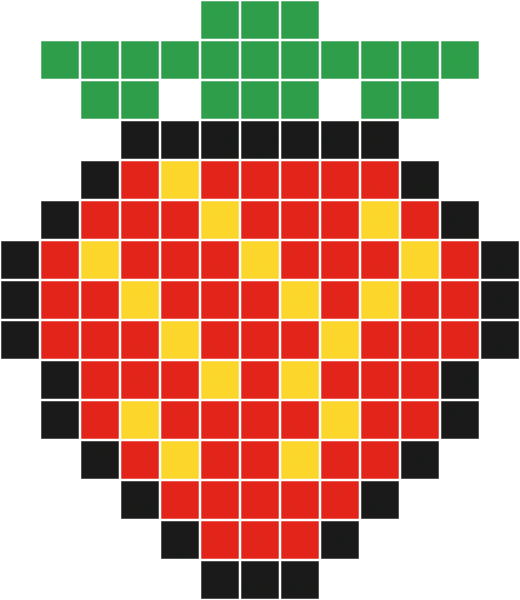
Garden Strawberry
13 × 15 · 133 beads · 4 colors · 1 board

Four Petal Flower
15 × 15 · 137 beads · 4 colors · 1 board

Rain Cloud
17 × 14 · 145 beads · 4 colors · 1 board

Rainbow Arch
21 × 11 · 146 beads · 6 colors · 1 board

Panda Face
17 × 15 · 161 beads · 3 colors · 1 board

Cat Face
15 × 14 · 163 beads · 3 colors · 1 board

Spotted Mushroom
15 × 15 · 163 beads · 4 colors · 1 board
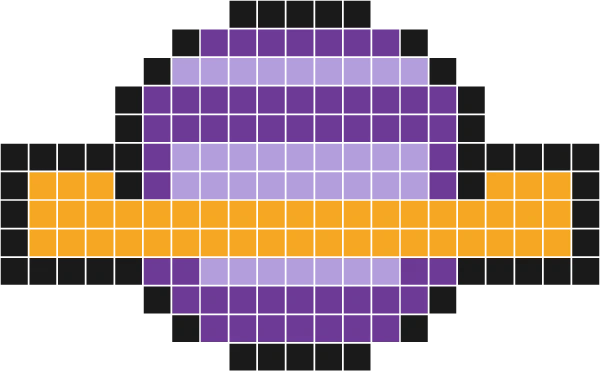
Ringed Planet
21 × 13 · 181 beads · 4 colors · 1 board
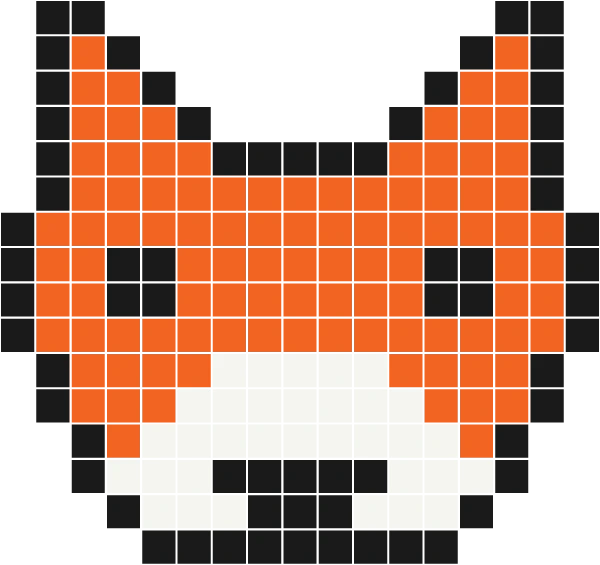
Fox Face
17 × 16 · 202 beads · 3 colors · 1 board
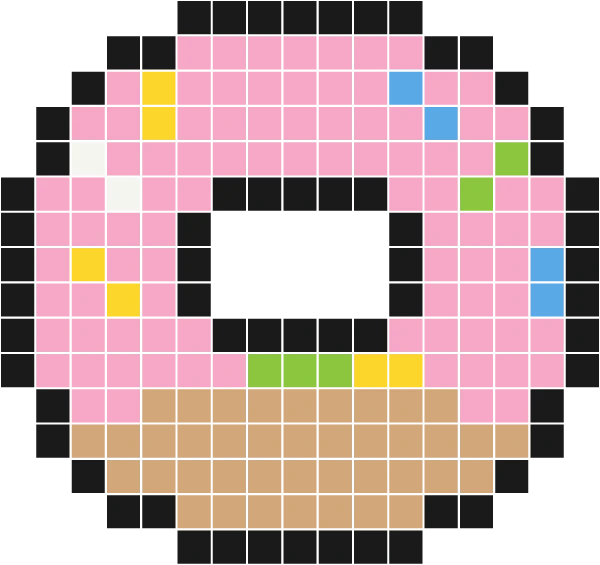
Frosted Donut
17 × 16 · 209 beads · 7 colors · 1 board
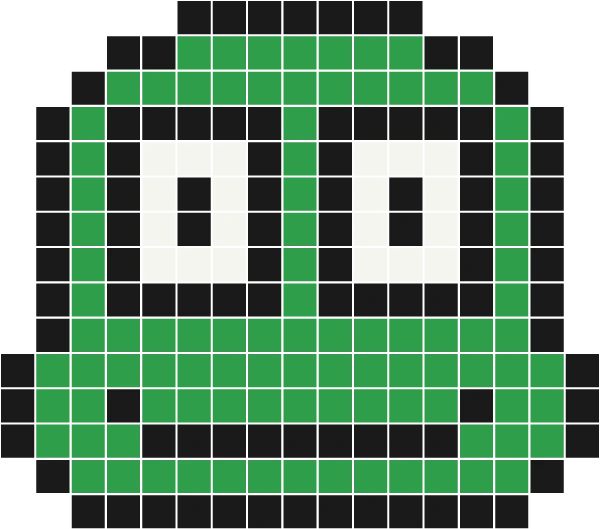
Frog Face
17 × 15 · 215 beads · 3 colors · 1 board

Little Penguin
15 × 19 · 224 beads · 3 colors · 1 board
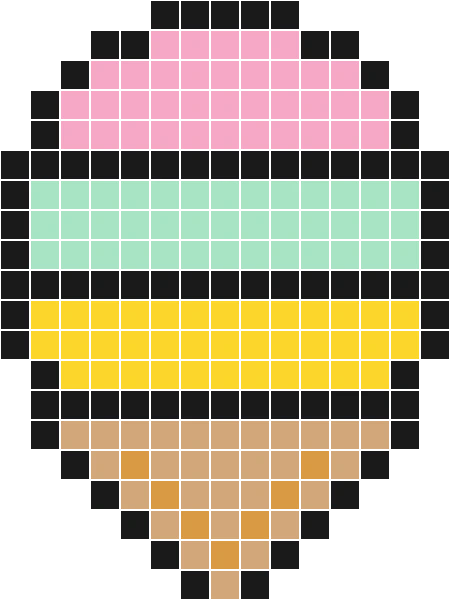
Triple Scoop Cone
15 × 20 · 230 beads · 6 colors · 1 board
What Counts as a Small Bead Pattern
A small pattern is one that stays inside 30 beads in both directions, so the whole thing sits on one standard 29×29 square pegboard. Nothing on this page needs a second board, and nothing needs to be joined after ironing.
This is the size to start at. You can finish one in a single sitting, a misplaced bead costs a few seconds to fix rather than a whole evening, and if the iron goes wrong you have lost twenty minutes, not a weekend.
The trade-off is detail. At 20-odd beads across there is no room for fine features, so the outline and the color choices carry the design. A shape you can recognise as a silhouette will work; one that depends on small details will not.
For finished size, count beads and multiply by 5mm: a full 29-bead board comes out around 14.5cm square. That holds for Perler, Hama and Artkal midi beads, which all share the same 5mm pitch.
How Many Beads Will You Need
The bead count on each card is the number of filled cells, not width × height. A 24×24 pattern has 576 grid positions but a design with a transparent background might only use 390 of them, and 390 is what you have to buy.
As a rough guide, a 15×15 design lands somewhere around 150 to 220 beads and a 25×25 design around 400 to 550. Add 10–15% on top of whatever the card says, because beads roll off the table, melt wrong, and get pulled back out when you change your mind.
What matters more than the total is the split per color. One dominant color often accounts for half the design, and that is the bag you will run out of first — the color count on each card tells you how many piles to sort, but it is the biggest pile you should buy extra of.
Picking Your First Pattern
Start with a strong outline
At this size a closed, unbroken outline is what makes a design readable. Patterns whose shape you can name from across the room hold up when they shrink; ones that rely on shading inside the outline turn into a blur.
Fewer colors is easier, not worse
A pattern using 8 to 12 colors is far quicker to build than one using 20, and it rarely looks worse. Sorting is the real cost of a bead project — the placing goes fast once every color is in its own pile.
Check the bead count before you sort
Sort by color code before you place a single bead. The color count on each card is exactly how many containers, cups or bag corners you need to set out first.
Open Any Pattern in the Editor
Every design here is live data, not a picture of a chart. Clicking a card loads the actual grid into the bead pattern maker, where you can work on it bead by bead.
From there you can switch the color card to Perler, Hama, Artkal or MARD and watch every bead remap to the closest match in that brand, resize the canvas, repaint single beads, and export a PNG to work from.
Make your own pattern from a photo →
Working from paper instead? The pixel art grid maker turns any image into a printable chart with coordinates and color codes.
Frequently Asked Questions
Are these bead patterns free to use?
Yes. Every design on this page was drawn for MakePixel and is free to use for personal and commercial projects, including beads you sell at a market or online. You do not need to credit us, and there is no sign-up or download limit.
Do these patterns work with Hama or Artkal beads?
Yes. The grids are stored against the Perler midi color card, and the editor remaps every bead to the nearest Hama, Artkal or MARD color when you switch brands. All three use the same 5mm bead pitch, so the finished size does not change — only the color codes on your shopping list do.
Will every pattern fit one pegboard?
Yes. Nothing on this page is wider or taller than 29 beads, which is one standard square pegboard, so you never have to join two boards or iron in sections. The board count on each card confirms it.
All patterns on this page are original designs created for MakePixel and are free to use for personal and commercial projects. Perler®, Hama® and Artkal® are trademarks of their respective owners; MakePixel is an independent tool and is not affiliated with any bead manufacturer.